

Little Wonders Forged from Forgotten Metal
Today we dive into upcycling scrap metal into compact home organizers and decor, turning overlooked bolts, blades, and tins into tidy helpers and soulful accents. Expect approachable steps, safety-first habits, and ideas sized for shelves, desks, and tiny entryways. Along the way, we’ll share quick wins, honest mistakes, and reader-sourced tricks that make small spaces feel generous. Add your questions, subscribe for weekly builds, and show us your snappiest transformations so our community can celebrate and learn together.
From Rust to Room-Ready
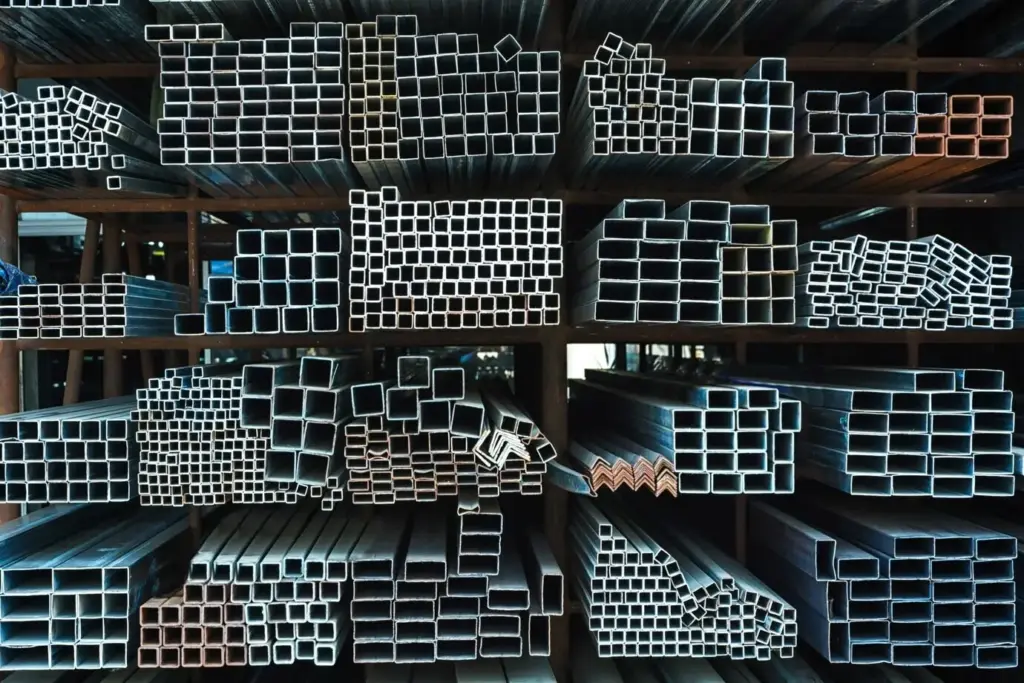
Look for thin sheet offcuts, perforated angles, bike chain links, and light hardware that won’t overwhelm small shelves. Test with a magnet to identify ferrous parts for magnetic accessories, and avoid flaking paint that might contain lead. Skip galvanized metal when heating is possible to prevent toxic fumes. Favor pieces with holes or lips you can reuse as mount points. Photograph finds beside a ruler, note weights, and imagine two or three functions before committing time to restoration.
A gentle de-rust bath using white vinegar or citric acid preserves patina while lifting scale. Follow with a nylon brush, then rinse and dry thoroughly using warm air to prevent flash rust. Neutralize acids with a mild baking-soda solution, and wipe with mineral spirits to remove oils. Seal delicate finishes using microcrystalline wax or a matte clear coat rated for metal, applied thinly to keep textures visible. Embrace scratches as history, but smooth sharp edges to protect hands.
Measure the landing zones where your organizer must live: the sliver beside the kettle, the slanted edge of a bookshelf, the narrow frame near a light switch. Work backward from real items—keys, teaspoons, earbuds—so depth and lip height are honest. Favor vertical stacking, nesting trays, and sliding hooks to multiply function within inches. Use paper mockups to test reach and shadow. If a design forces contortions, shrink, rotate, or split it into modules that combine neatly when needed.


Design Playbook for Tiny Organizers
Compact creations succeed when they balance weight, touch, and rhythm in daily routines. Good design invites fingers, resists clutter, and disappears when not in use. We’ll translate principles from furniture and industrial fixtures into pocket-sized helpers that feel deliberate, not crafty. Learn to celebrate negative space, create visual lightness with perforations, and guide the eye using color breaks. Thoughtful radiuses, soft stops, and quiet mounting hardware make each interaction satisfying without visual noise or physical strain.
Tools, Safety, and Smart Shortcuts
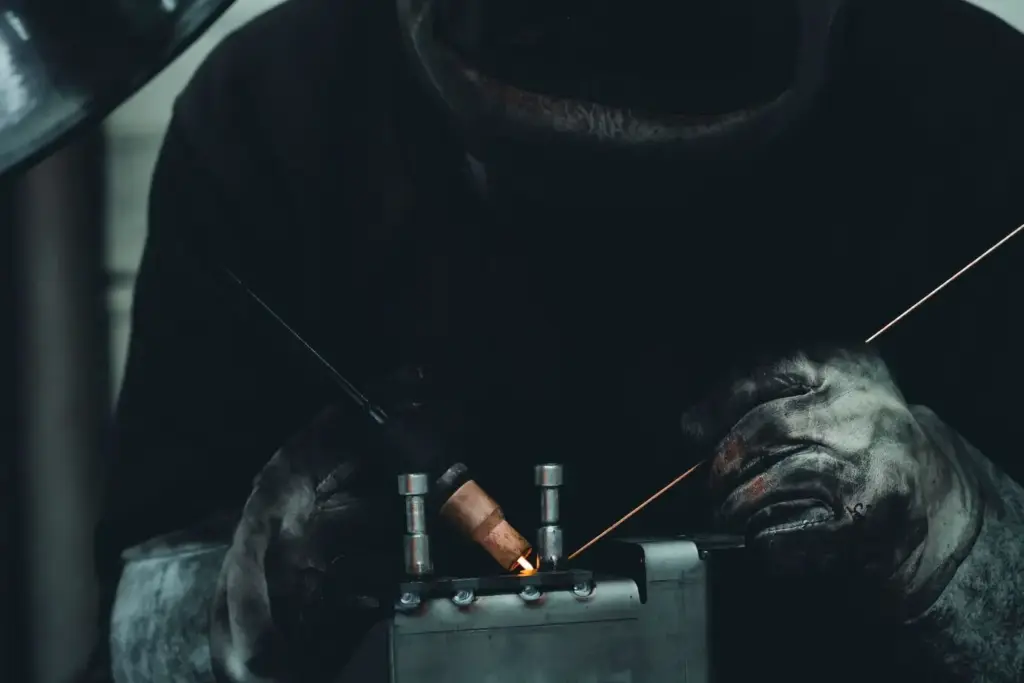
You don’t need a welding bay to craft elegant organizers; minimal tools and disciplined precautions go far. Choose versatile cutters and shaping methods, prioritize fume-free techniques, and build repeatable habits that protect eyes, lungs, and time. We’ll compare rivets, screws, and structural epoxies, explain why heat isn’t always king, and show how jigs unlock consistency. With hearing protection, dust control, and proper clamps, you’ll move calmly from spark to polish, producing results that feel shop-made yet intimate.




Projects that Fit in the Palm

Blade-to-Entryway Key Keeper
Retire a dulled handsaw blade as a slender key rail. Mask off the toothed edge and clear-coat the steel so the patina glows safely. Add rare-earth magnets behind a wooden strip, aligning with blade holes for hidden screws. Mount on a narrow foyer wall, letting teeth silhouette cast playful shadows. Test magnet pull with a full keyring. Finish with felt bumpers so metal never kisses paint. Guests will ask where you found it; you’ll smile at the story.
Tin-to-Desk Micro Caddy
Transform a tea tin into a sliding-compartment caddy using a bent scrap bracket as an inner rail. Drill a finger notch, add a cork liner to hush pens, and hinge the lid with a piano hinge salvaged from a jewelry box. A dab of wax yields silky motion. Mount tiny hooks on the side for cables. The footprint is smaller than a coaster, yet it swallows clips, cards, and earbuds. When closed, it reads as a reflective, minimalist sculpture.
Chain-Link Photo Perch
Clean and wax a short section of bicycle chain, then loop it into a stable triangle with a single rivet or miniature bolt. Epoxy a trimmed binder clip onto the apex to hold photos, recipes, or reminders. The flexible links grip tabletops without scratching. For a warmer look, thread a ribbon through the links. Group three in stepped heights for a tiny gallery by your kettle. Lightweight, adaptable, and delightfully pocket-sized, it celebrates motion frozen into a gentle pause.
Stories from the Workshop Corner
The Cookie Tin That Organized a Morning
Maya inherited a dented biscuit tin from her grandmother, its blue glaze chipped like seafoam. She added a shallow divider from scrap flashing, waxed the interior, and glued felt feet. Now it cradles rings, transit cards, and a watch, simplifying early hours. Each tap of the lid recalls tea at a tiny table, stories about voyages, and a promise to waste less. Practicality met memory, and a hundred hurried mornings softened into a ritual of gentle order.
The Factory Bolts that Spiced a Kitchen
Jules found a rusty bolt organizer beside a closing workshop. After cleaning, he flipped it sideways and lined drawers with parchment-backed labels. Paprika, cumin, and star anise slid into narrow channels, spices finally visible. The thick steel kept aromas cool, and drawer pulls became conversation starters. Dinner guests reached, grinned, and asked for the backstory. What once sorted hardware now sorts flavors, proving that good structure can serve many lives. His takeaway: measure your cabinets before you rescue treasure.
The Rusted Gate that Framed a Memory
A broken garden gate surrendered a scroll of wrought iron. Lila trimmed it to a postcard-sized curl, filed edges smooth, and anchored magnets behind two junctions. It became a fridge frame for her grandfather’s black-and-white photograph. Rust hues echoed soil from the old backyard. Each grocery run turned into a pause, a nod to afternoons mending fences together. Metal carried memory without words, and practicality, again, became a quiet keeper of stories no glass frame could hold.
Styling Compact Decor with Soul
Placement transforms function into poetry. By pairing cool metal with wood grains, linens, or plants, compact organizers feel intentional rather than improvised. We’ll explore color blocking to lighten perceived weight, soft pads to hush contact points, and shadows as design elements. Whether your space leans industrial, minimalist, or joyful eclectic, small accents can harmonize instead of dominate. We’ll map vignettes that guide the eye, protect surfaces, and nurture routines that start calm, center focus, and invite gentle endings.
Care, Upkeep, and Futureproofing
Good maintenance extends usefulness and preserves character. Small organizers endure constant touch, so plan for cleaning rituals, rust prevention, and reversible updates. We’ll cover wax refresh cycles, humidity strategies, and how to record finish choices for easy touch-ups. When layouts change, modular joints invite reassignment instead of waste. And when a piece’s journey ends, responsible recycling or gifting keeps materials valuable. Treat each object like a companion: occasionally nourished, gently corrected, and ready to adapt as life shifts.
All Rights Reserved.