

Breathe Easy, Forge Safely Indoors
Today we dive into indoor metalworking safety, focusing on robust ventilation, reliable fume extraction, and disciplined fire prevention. Expect practical guidance, lived shop lessons, and clear steps you can apply immediately to protect lungs, equipment, and livelihoods without slowing creative momentum.
Understanding the Air You Work In
Indoor air changes quickly when torches flare or grinders throw dust. Welding and cutting release metal particulates, ozone, nitrogen oxides, and carbon monoxide that accumulate without intelligent control. Understanding sources, particle sizes, and exposure limits helps you choose engineering solutions that keep concentration low, visibility clear, and breathing comfortable during long workdays.

Ventilation Fundamentals for Enclosed Spaces
Good ventilation blends fresh supply, directed exhaust, and pressure balance so fumes flow away from faces, not through them. Plan airflow paths, consider air changes per hour, and design for seasons. Avoid drafts that destabilize arcs, while ensuring enough make-up air to protect burners and people.
Calculate room volume, define target air changes, then convert to fan flow so decisions are transparent. Mark supply and exhaust elevations to encourage layered removal. Sketch smoke paths on paper first; a few arrows today prevent disappointing, noisy, underperforming installations tomorrow.
Exhaust without replenishment drags in dust, backdrafts heaters, and chills operators. Bring tempered, filtered make-up air near the work but out of the arc’s path. Gentle, distributed inlets avoid turbulence while supporting extraction arms and downdraft tables with steady, predictable flow.
Silence is not mere comfort; it is safety, since shouting masks warnings. Choose efficient fans, smooth ducting, and acoustic treatment that preserve conversation. Energy recovery units trim costs, encouraging year-round use rather than the unfortunate habit of switching systems off.

Local Fume Extraction That Delivers
Local capture keeps contaminants from spreading. Well-placed extraction arms, backdraft and downdraft tables, or custom hoods maintain high capture efficiencies with smaller flows. Success depends on hood geometry, distance to the plume, duct design, filtration stages, and habits that keep everything positioned correctly.
Hot Work Planning That Prevents Surprises
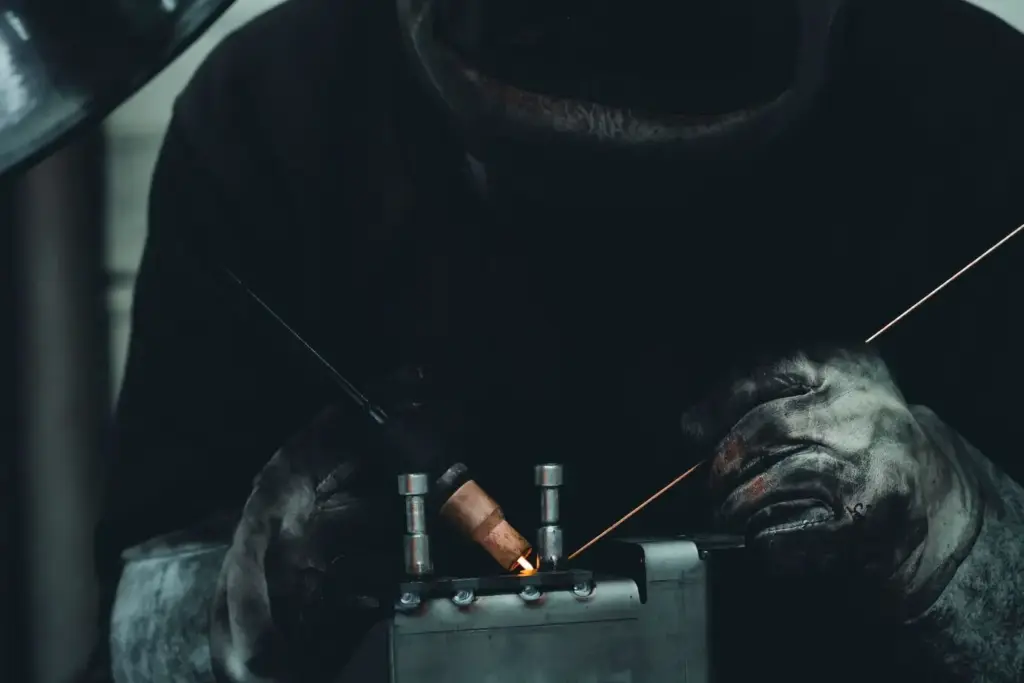
Treat every weld, cut, or braze as hot work requiring preparation, watchers, and a cooling window. Use checklists, isolate combustibles, and log equipment status. A signed permit focuses attention, legitimizes pauses, and empowers anyone to halt operations until safeguards exist.
Housekeeping, Separation, and Spark Paths
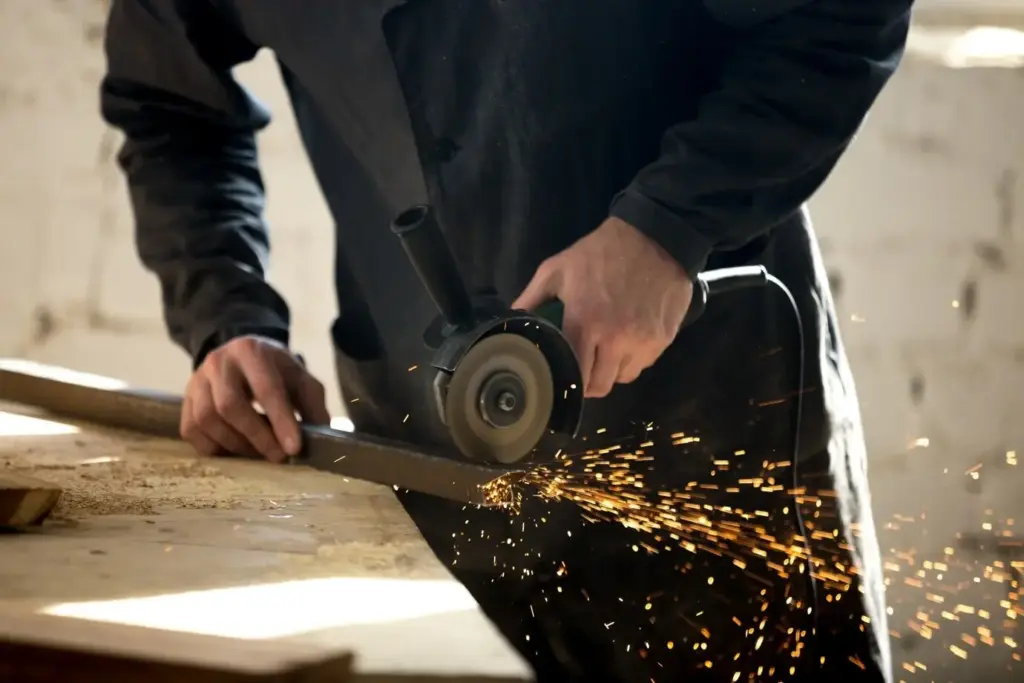
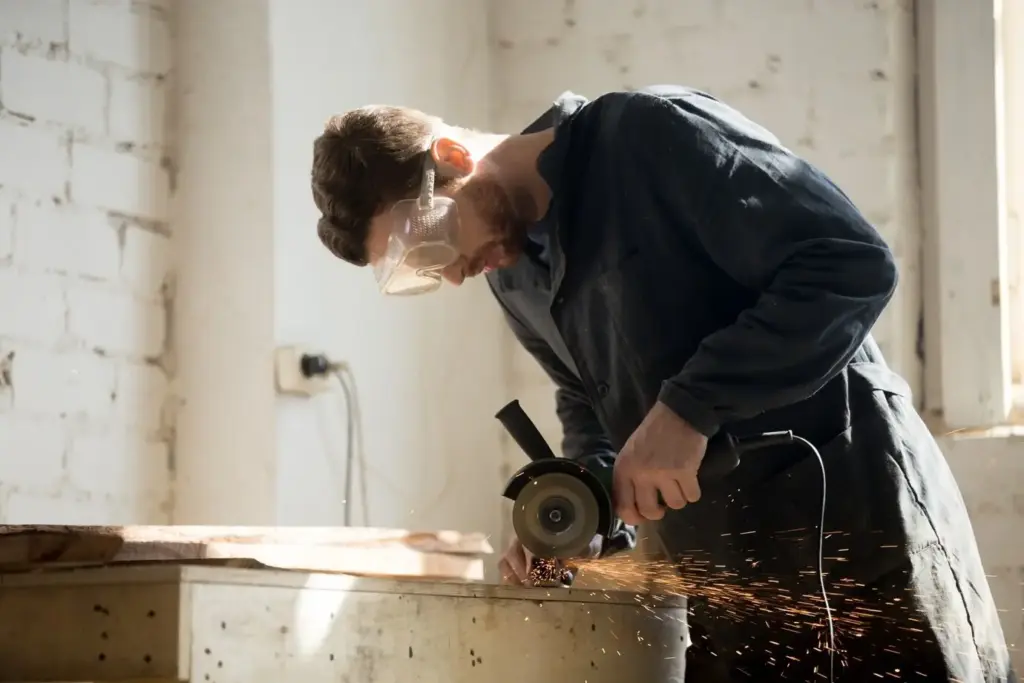
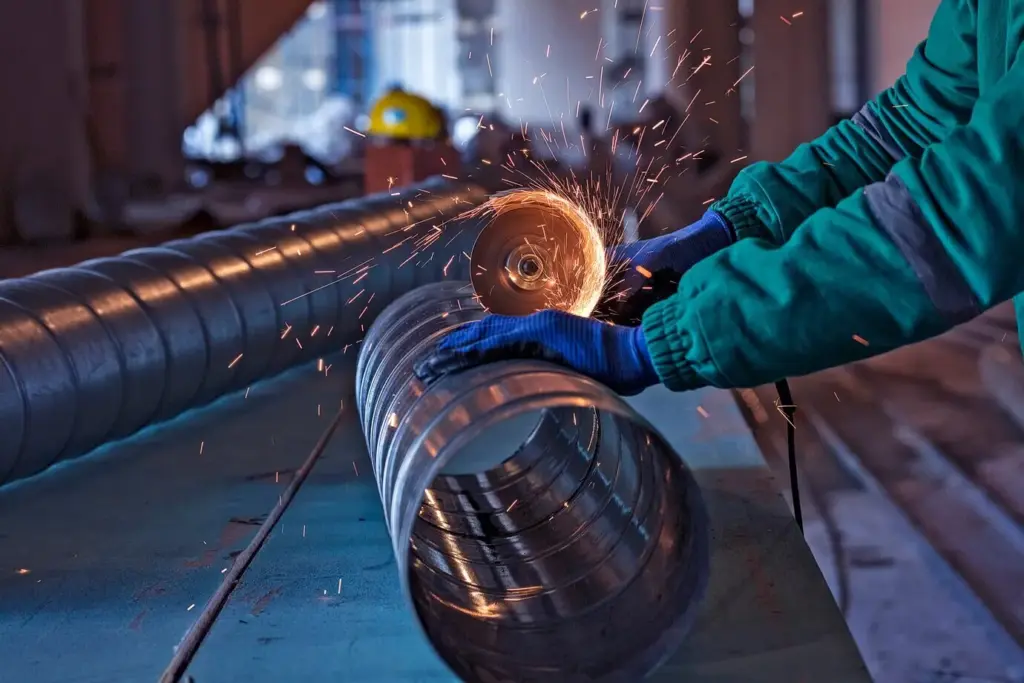
Clean floors, metal-only bins, and disciplined grinding zones stop sparks from finding kindling. Curtains and barriers block line-of-sight ignition paths. Maintain clearances around heaters and panels, and never pile rags, abrasives, or cardboard where stray embers and radiant heat might wander.
Extinguishers, Alarms, and Drills
Choose the right extinguisher for the material and train hands to reach confidently. Keep Class D for burning metals, CO2 for energized equipment, and water mist away from reactive shavings. Practice alarms, evacuations, and shutdowns until muscle memory guides calm decisions.
Fire and Explosion Risk Controls
Sparks travel surprisingly far, and fine dust can smolder invisibly. Indoors, that risk is amplified by storage, finishes, and nearby tools. Thoughtful planning, segregation, permits, and detection create overlapping layers that interrupt ignition, starve fuel, and support decisive response if something starts.
Electricity, Gas, and Cylinder Stewardship
Avoid daisy-chains and undersized leads. Bond frames, inspect plugs, and keep power away from puddles. Assign dedicated circuits to high-draw devices and protect outlets with covers. Clear labeling reduces confusion during rushes, keeping eyes on the bead instead of guessing at breakers.
Keep caps on when not in use, chain cylinders securely, and segregate oxygen from fuels. Store upright, ventilated, away from heat. Move with carts, not arms, and protect valves from knocks. Simple routines prevent spectacular failures and countless small, frightening near misses.
Soap-solution tests, sniffers, and routine audits catch problems early. Close valves when stepping away, bleed regulators, and tag defects clearly. Teach everyone the shutoff locations and practice coordinated responses, so a hiss becomes an exercise in teamwork rather than panic.
Respirators and Fit That Truly Protect
Choose P100 or supplied-air options when metals or coatings demand more than nuisance filtering, and fit-test annually. Keep cartridges dated, faces clean-shaven where required, and storage sealed. Comfort and confidence turn sporadic use into a dependable, everyday habit that protects lungs.
Eyes, Ears, Hands, and Fire-Resistant Clothing
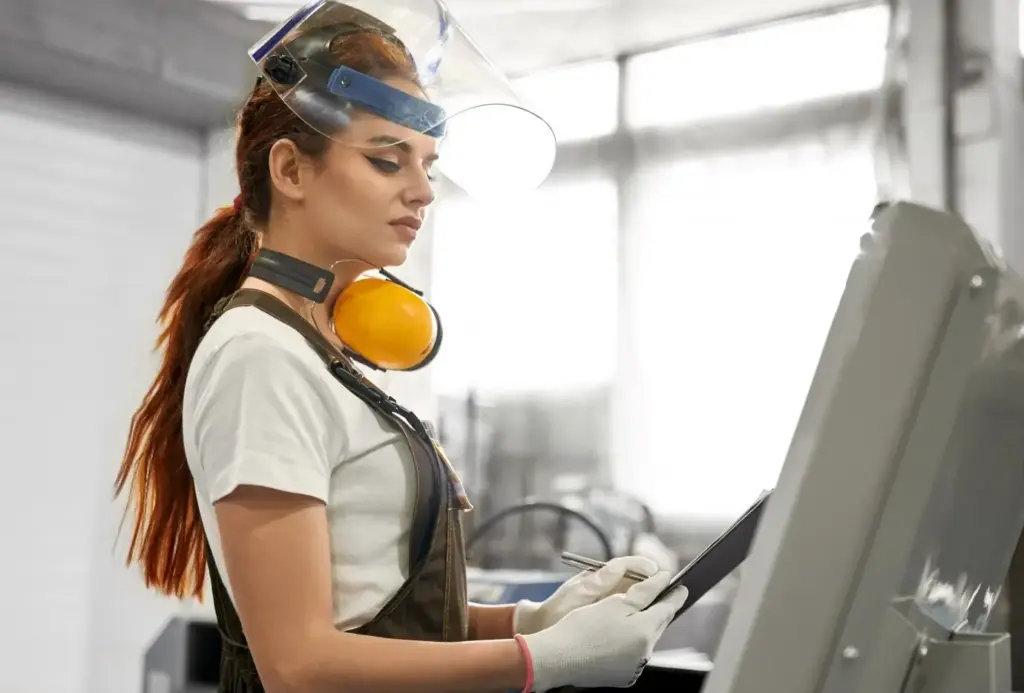
Auto-darkening helmets, side shields, and properly rated safety glasses prevent burns and stray UV injuries. Hearing protection preserves focus during loud operations. Gloves, sleeves, and jackets resist sparks while staying flexible. Selecting breathable, fire-resistant fabrics reduces heat stress without sacrificing agility or coverage indoors.
Metrics, Stories, and Community Engagement
Track air quality readings, filter pressures, and near-miss stories on a visible board. Celebrate improvements, share photos of good setups, and invite questions. Subscribe for deep dives, checklists, and shop audits, and comment with your toughest challenges to spark helpful, respectful discussions.
Culture, PPE, and Continuous Improvement
Engineering controls form the backbone, but culture, habits, and personal protection complete the system. Select respirators matched to hazard levels, maintain eyewear and gloves, adopt fire-resistant clothing, and sustain improvement with checklists, peer coaching, and data that turns good intentions into repeatable excellence.
All Rights Reserved.